
RPI Players’ Striking Performance of The Lightning Thief
RPI Players’ performed the musical The Lightning Thief: The Percy Jackson Musical at the Schacht Fine Arts Center at Russell Sage College from April 5-13th.

RPI Players’ performed the musical The Lightning Thief: The Percy Jackson Musical at the Schacht Fine Arts Center at Russell Sage College from April 5-13th.
55th Student Senate starts new term with uncertainty
The 55th Student Senate meets for the first time under Grand Marshal Vivian Rost-Nasshan '26. The Elections Commission reveals an ongoing investigation.
The 55th Student Senate meets for the first time under Grand Marshal Vivian Rost-Nasshan '26. The Elections Commission reveals an ongoing investigation.
 On-Campus Event
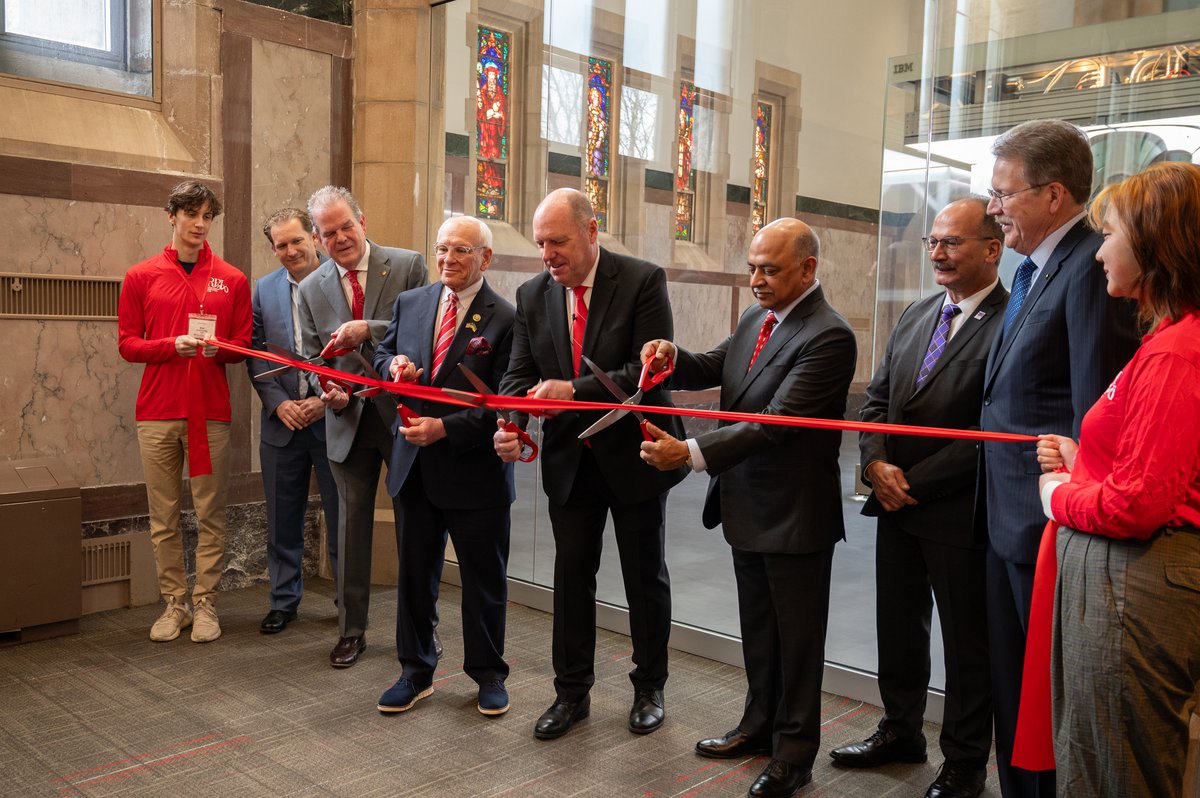
Grand opening of the IBM Quantum System One at Rensselaer
This year, Rensselaer has become the first university to hold an IBM Quantum System One. On April 5th, the ribbon cutting ceremony was held for the new system, which is located in the Voorhees Computing Center. After the official ceremony, attendees were able to go on tours led by the members of the Quantum Computing Club. The night before the unveiling ceremony, CBS News Correspondent David Pogue arrived at EMPAC to deliver a piece on the quick and frightening progress of AI.
 GM Week 2024
Vivian Rost-Nasshan elected Grand Marshal in runoff election
Vivian Rost-Nasshan ’26 has been elected Grand Marshal, beating Ria Massoni ’25G in a historic runoff election.
Prioritize people, not politics
Former Grand Marshal Ben Viner ’24 expresses his thoughts on the Student Senate and their work throughout his term.
Former Grand Marshal Ben Viner ’24 expresses his thoughts on the Student Senate and their work throughout his term.
E-Board denounces actions of Dr. Charlie Potts over Bennett hiring, plans to shut down Rathskeller over summer for renovations
The Executive Board gave a formal denouncement to the actions of the Union’s administrative staff regarding the unconstitutional hiring of Cait Bennett as an administrative specialist. Society of Plastics Engineers approved for club affiliation, RPI Club Field Hockey achieves Union recognition, and the Director of the Union Dr. Charlie Potts presents the Union’s upcoming construction and renovation projects to the Executive Board. Additionally, the E-Board approves the hiring of William Weinert for the position of Assistant Director of Outdoor Programs.
The Executive Board gave a formal denouncement to the actions of the Union’s administrative staff regarding the unconstitutional hiring of Cait Bennett as an administrative specialist. Society of Plastics Engineers approved for club affiliation, RPI Club Field Hockey achieves Union recognition, and the Director of the Union Dr. Charlie Potts presents the Union’s upcoming construction and renovation projects to the Executive Board. Additionally, the E-Board approves the hiring of William Weinert for the position of Assistant Director of Outdoor Programs.
Elections Commission addresses GM Week election
After the first tie for Grand Marshal in GM Week history, the Elections Commission is eager to improve the voting process. Also, controversy surrounding the endorsement of GM candidate Vivian Rost-Nasshan ’26 by current Grand Marshal Ben Viner ’24 was discussed.
Learning about Japanese media with Kono Oto Tomare!: Sounds of Life
Copy Coordinator Anisha Biswas ’27 discusses watching a show called Kono Oto Tomare!: Sounds of Life by Platinum Vision and how watching Japanese media lead to further interest in a different aspect of Japanese culture.
Massoni, Rost-Nasshan take the stage for Grand Marshal runoff
As a result of the recent historic tie for Grand Marshal, candidates Ria Massoni ’24, ’25G and Vivian Rost-Nasshan ’26 took the stage again for a second debate. The questioning built upon statements made in the previous debate and included more candidate-specific questions. The debate was moderated once again by Elections Commission Chairperson Timothy Miles ’24.
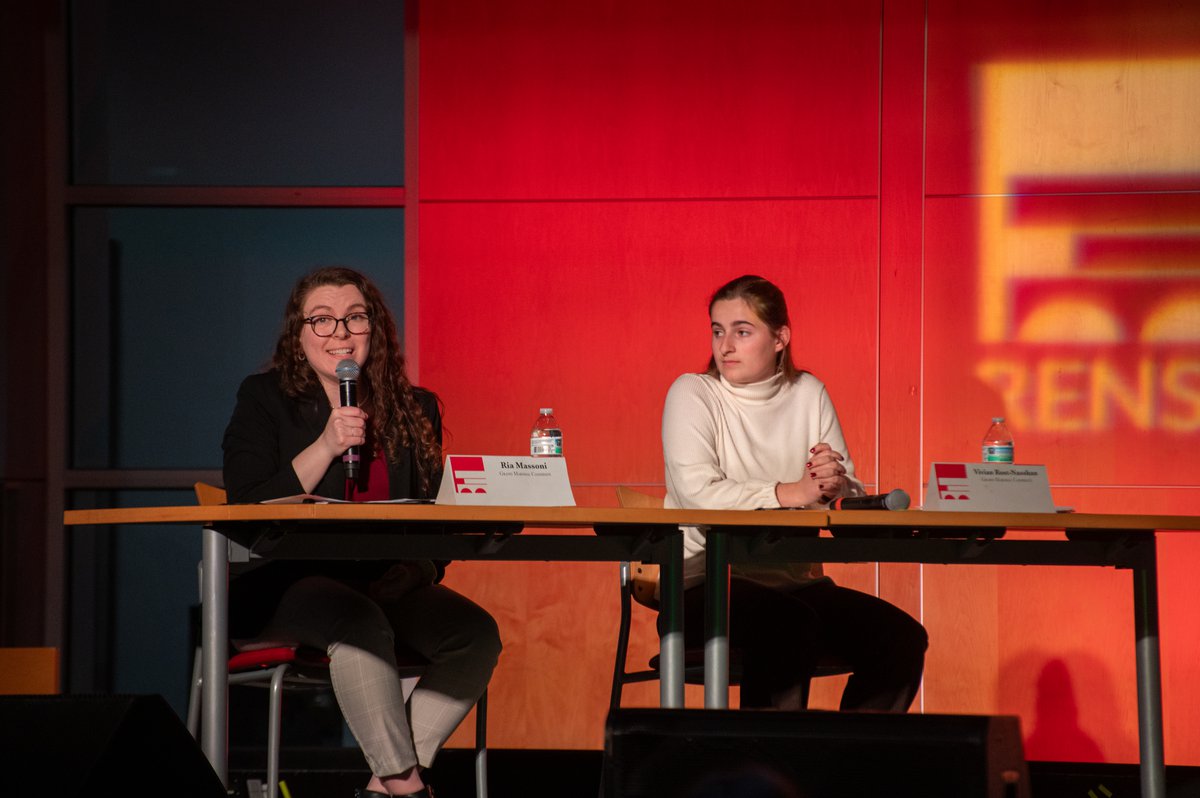
As a result of the recent historic tie for Grand Marshal, candidates Ria Massoni ’24, ’25G and Vivian Rost-Nasshan ’26 took the stage again for a second debate. The questioning built upon statements made in the previous debate and included more candidate-specific questions. The debate was moderated once again by Elections Commission Chairperson Timothy Miles ’24.
Second debate for GM to be held on April 1, runoff election set for April 3
The Elections Commission has announced a second debate for Monday, April 1 between Grand Marshal candidates Ria Massoni ’24, ’25G and Vivian Rost-Nasshan ’26. The Commission has also set Wednesday, April 3 for the runoff election.
Ria Massoni endorsed for GM by Active Minds, Sole Survivors, Disabled Students at RPI DREAM, Autism at Rensselaer, and Comma
Ria Massoni ’24, ’25G has been endorsed for Grand Marshal by Active Minds, Sole Survivors, Disabled Students at RPI DREAM, Autism at Rensselaer, and Comma.
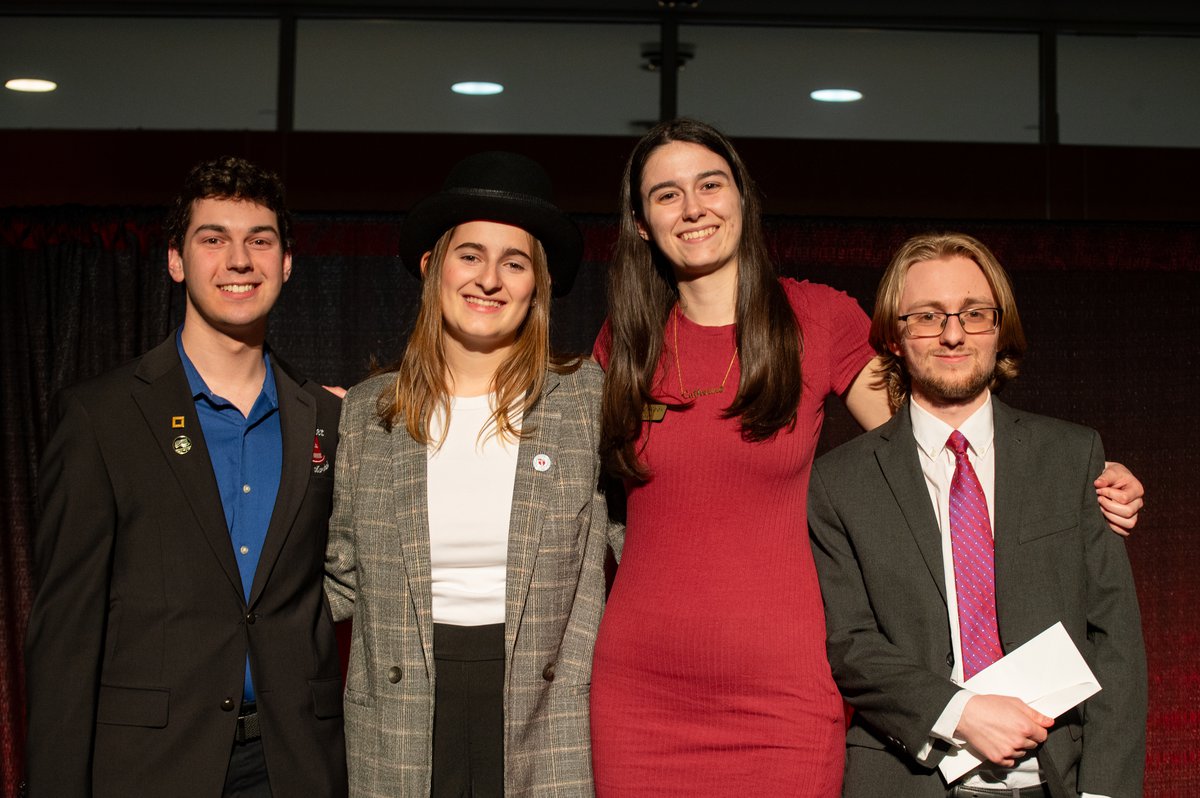
 GM Week 2024
A week of fun: GM Week 2024
Grand Marshal Week 2024 was full of fun campus-wide events and activities. This year’s festivities included the Mxmtoon concert, Provost Picnic, and Formal.
 Executive Board
Union hires Cait Bennett ’23G without Executive Board approval
Previous Grand Marshal Cait Bennett ’23G was hired as an Administrative Specialist for the Rensselaer Union. However, she was hired under the discretion of the Director of the Union Dr. Charlie Potts without the knowledge and approval of the Union Executive Board. As per the Union Constitution, the E-Board “shall approve the hiring and continuance of all administrative personnel of the Union.”
Engineers beat down Brewers
The Engineers won against the Brewers of Vassar College in an 18-10 game.
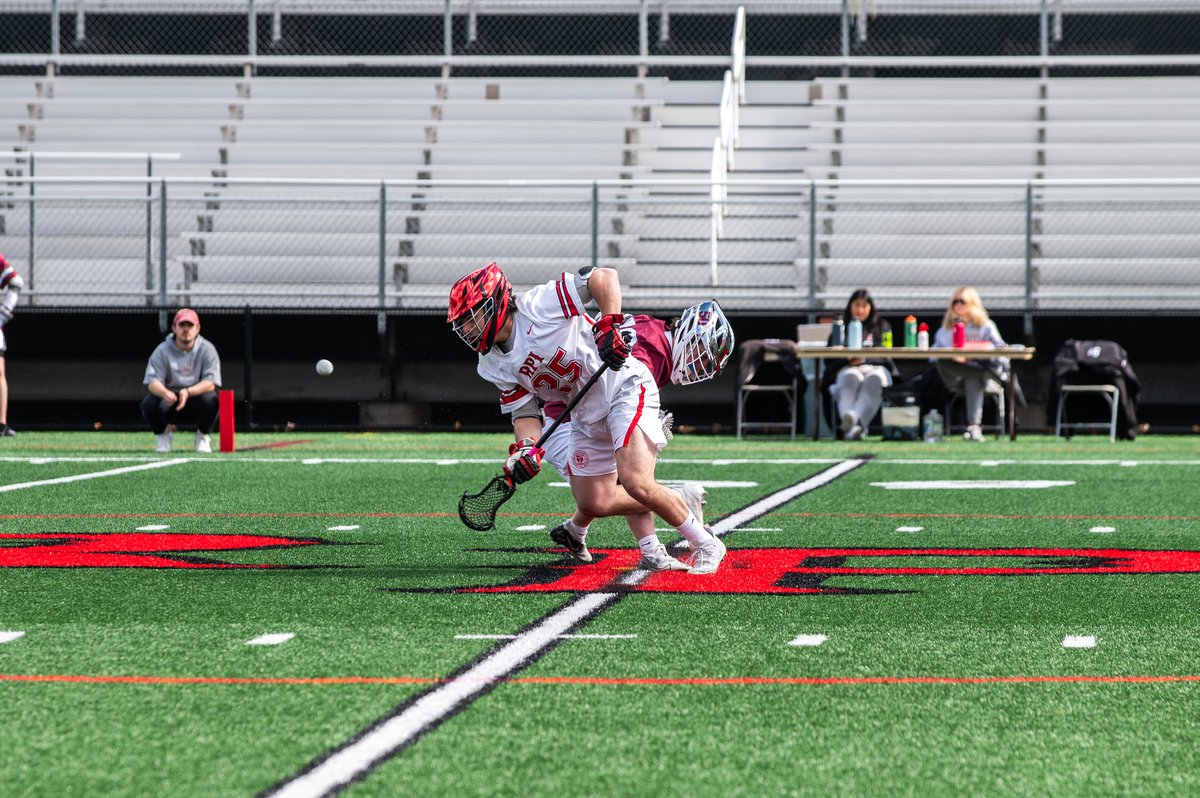
The Engineers won against the Brewers of Vassar College in an 18-10 game.
GM Week preliminary election results: Philipps, Khoury elected PU, UP, runoff election to be held for GM
Catherine Philipps ’24, ’25G has been elected President of the Union. Paul Khoury ’26 has elected as Undergraduate President. A runoff election between Ria Massoni ’24, ’25G and Vivian Rost-Nasshan ’26 will be held to elect the Grand Marshal.
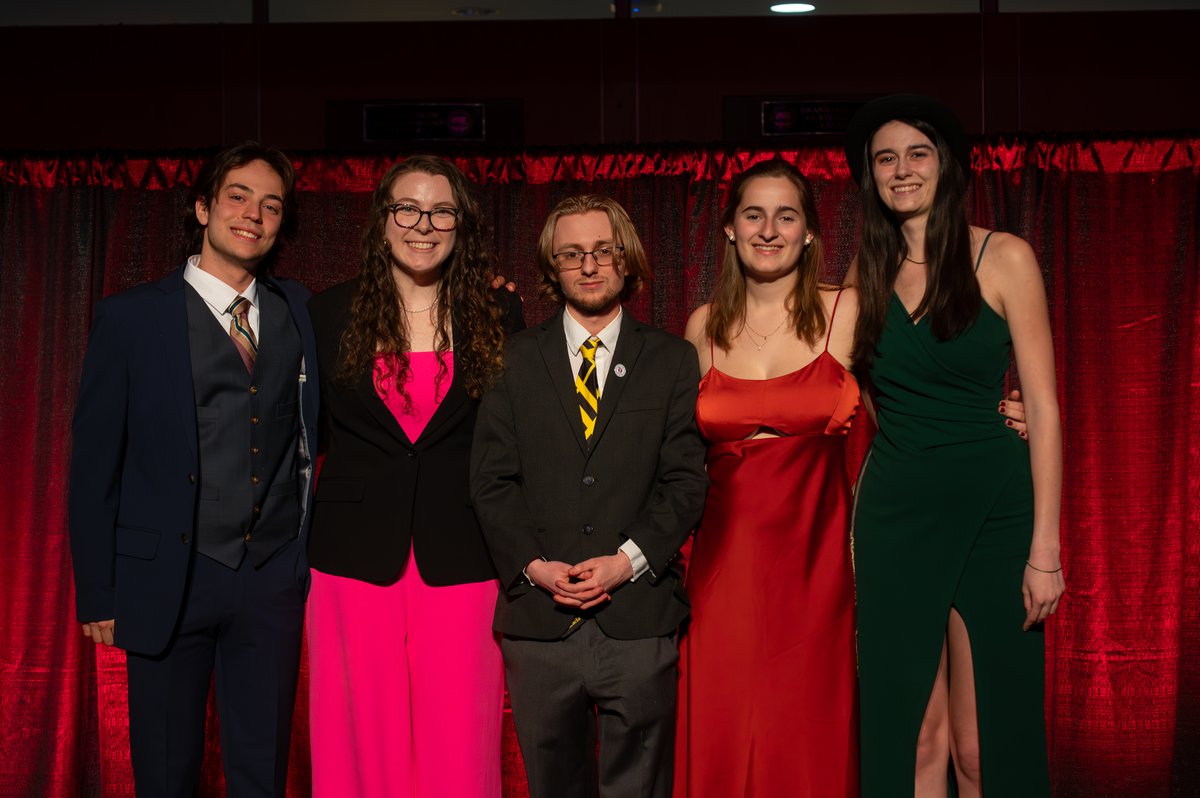
Catherine Philipps ’24, ’25G has been elected President of the Union. Paul Khoury ’26 has elected as Undergraduate President. A runoff election between Ria Massoni ’24, ’25G and Vivian Rost-Nasshan ’26 will be held to elect the Grand Marshal.
Candidates face off in GM Week 2024 debates
Five candidates took the stage for the Grand Marshal Week debate moderated by Elections Committee Chairperson Timothy Miles ’24. The debate offered one last chance for the candidates to present themselves to the student body and share their opinions on various topics and issues.
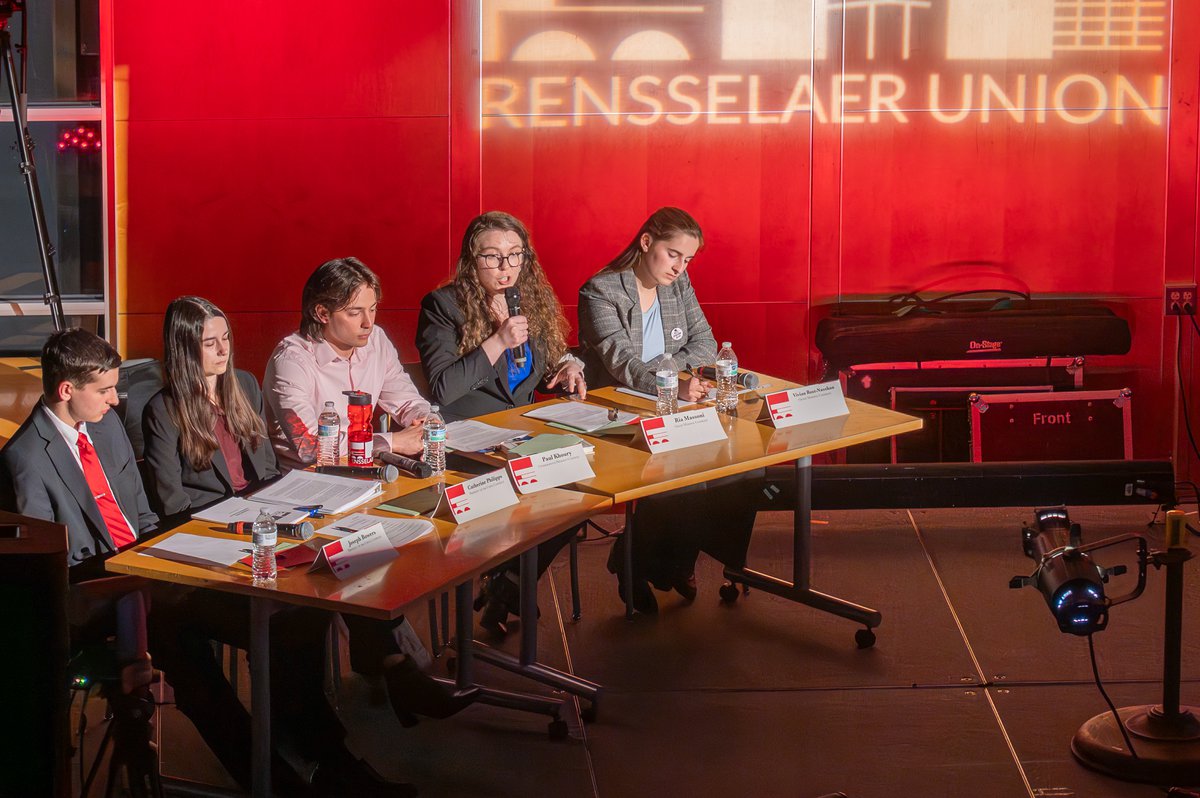
Five candidates took the stage for the Grand Marshal Week debate moderated by Elections Committee Chairperson Timothy Miles ’24. The debate offered one last chance for the candidates to present themselves to the student body and share their opinions on various topics and issues.
Panhellenic Council endorses Rost-Nasshan, Philipps for GM, PU
The Panhellenic Council endorses Vivian Rost-Nasshan ’26 and Catherine Philipps ’24, ’25G for Grand Marshal and President of the Union.
Current Grand Marshal Ben Viner endorses Vivian Rost-Nasshan for GM
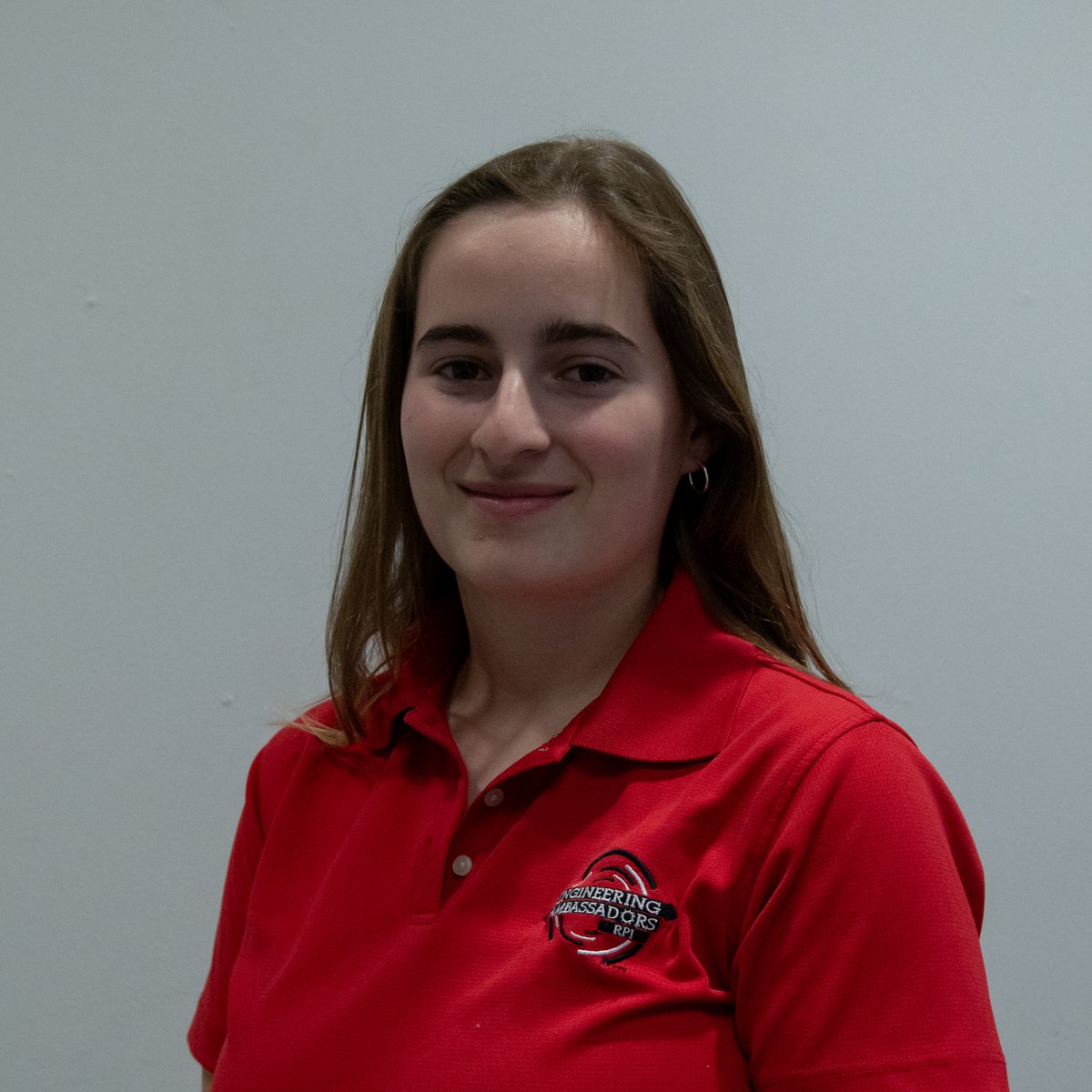
Current Grand Marshal Ben Viner ’24 endorses Academic Affairs Committee Chairperson and Independent Senator Vivian Rost-Nasshan ’26 for GM.
 Endorsement
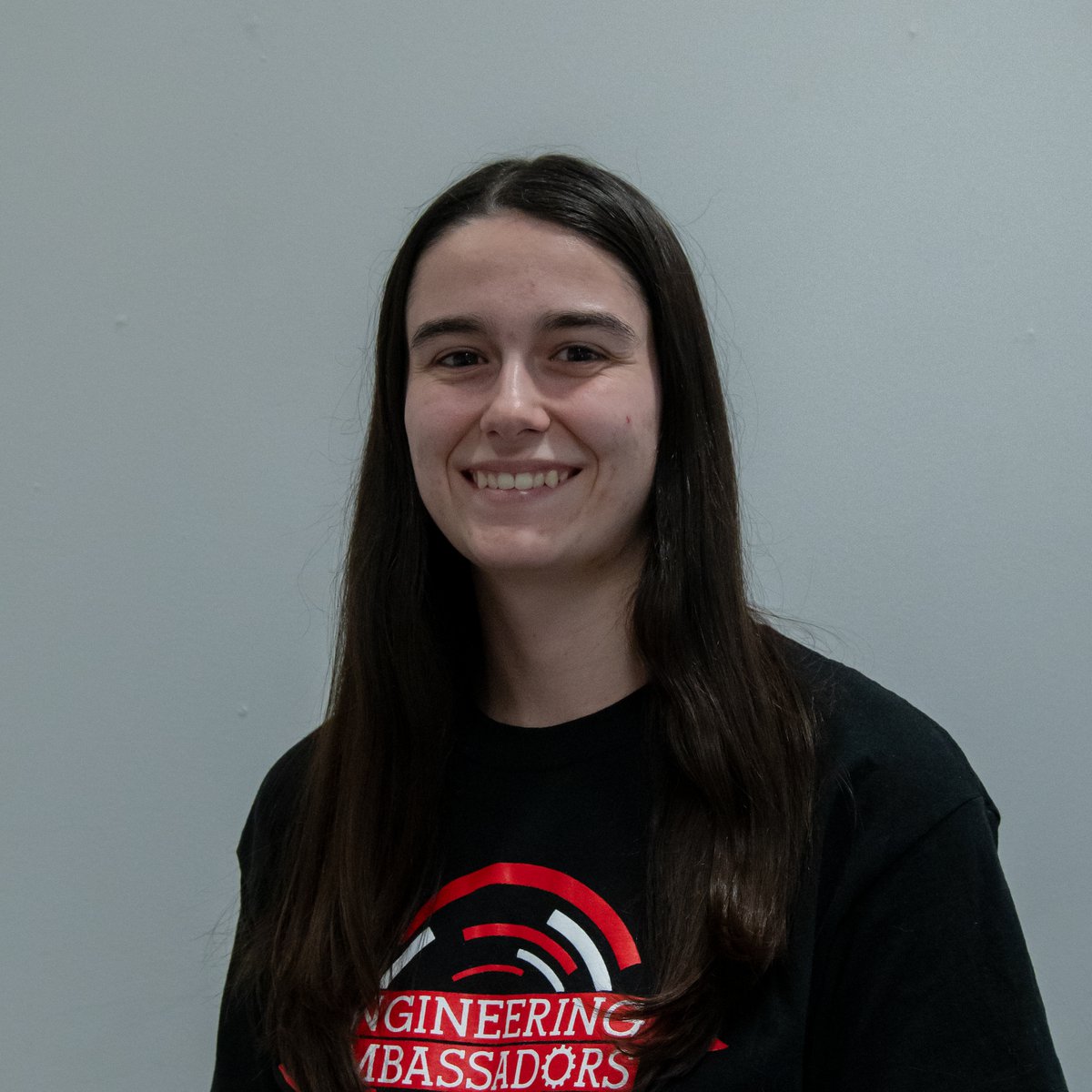
Vivian Rost-Nasshan for Grand Marshal
The Polytechnic endorses Vivian Rost-Nasshan ’26 for Grand Marshal. Rost-Nasshan’s goals to advocate for RPI students through accessibility plans, increasing student projects and improving the Student Senate’s relationships with the student body paves the way for a bright, cohesive future within the Student Senate in the coming year.
 Endorsement
Catherine Philipps for President of the Union
The Polytechnic endorses the current-serving President of the Union, Cat Philipps ’24, ’25G. Philipps has put years into student government, already helping numerous clubs gain footing on Rensselaer campus. Within the Executive Board and student government as a whole, she wants to improve communication and accessibility, sharing the work they do with the student body.
Catherine Philipps candidate profile
President of the Union candidate Catherine Philipps ’24, ’25G answers questions about her candidacy.
Paul Khoury candidate profile
Undergraduate President candidate Paul Khoury ’26 answers questions about his candidacy.
Joseph Bowers candidate profile
President of the Union candidate Joseph Bowers ’25 answers questions about his candidacy.
Ria Massoni candidate profile
Grand Marshal candidate Ria Massoni ’24, ’25G answers questions about her candidacy.
Vivian Rost-Nasshan candidate profile
Grand Marshal candidate Vivian Rost-Nasshan ’26 answers questions about her candidacy.
Art Show of “Opulence”
Black Student Association held their annual art show, where they had several of their member’s artwork on display for guests to spectate.
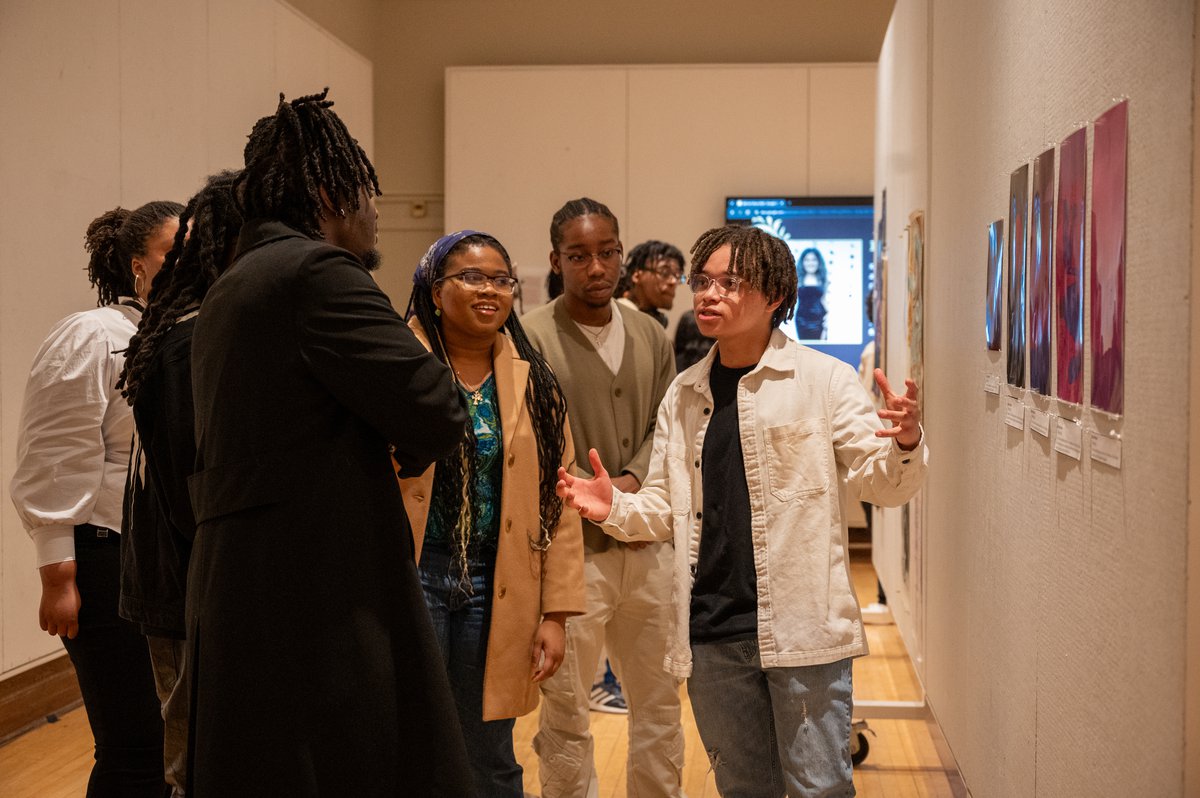
Black Student Association held their annual art show, where they had several of their member’s artwork on display for guests to spectate.
President Schmidt on RPI at 200 and the Institute’s future
An interview with President Schmidt on his goals for the year, RPI at 200, campus safety, mental health, the Arch and more.
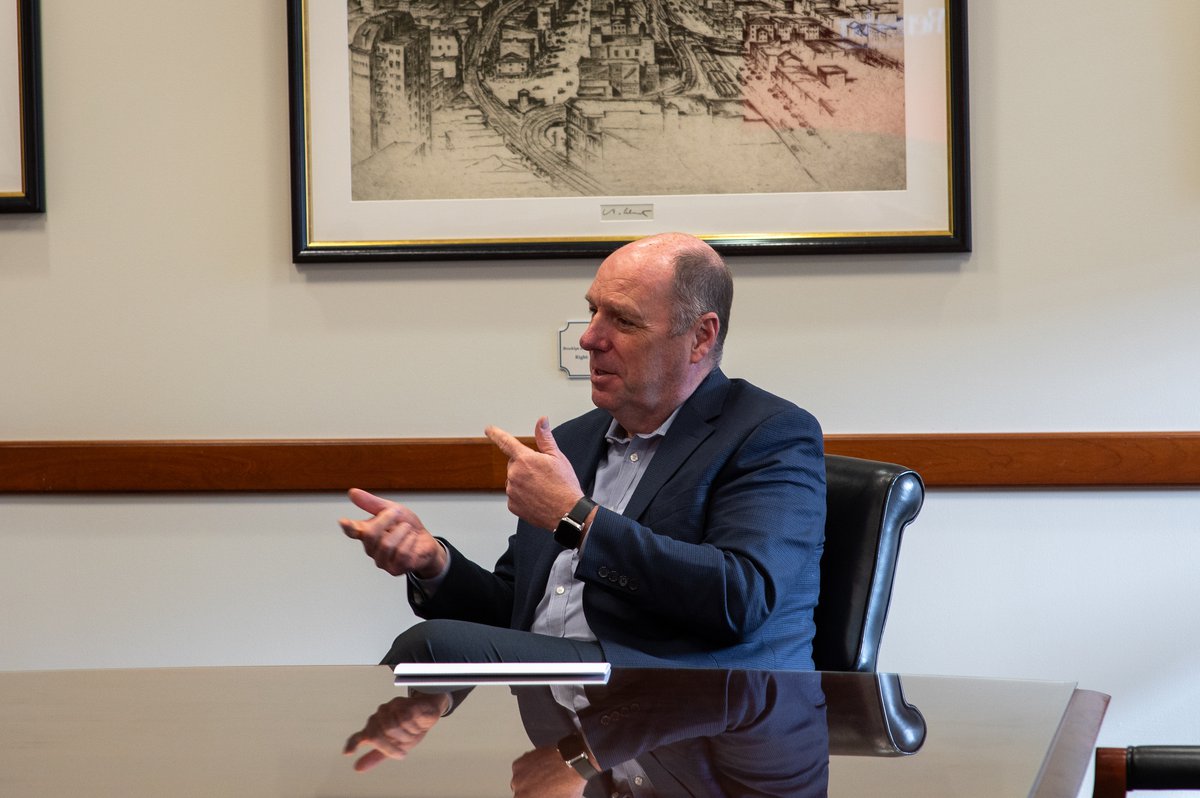
An interview with President Schmidt on his goals for the year, RPI at 200, campus safety, mental health, the Arch and more.
RPI’s quantum computer finishes up construction, will go online in April
Construction on Rensselaer’s quantum computer is finishing up, with an unveiling set for April 5.
RPI looking to invest $25 million in new AI initiative
RPI is looking to invest $25 million in a new AI initiative, the Empire AI consortium. The $400 million initiative will be funded by several private institutions along with a $275 million grant from New York state.
The benefits of digital thrift shopping
Associate Copy Editor Sophie March ’27 explains some of the possible benefits of digital secondhand shopping as well as strategies to shop online more effectively.
Why you should read Warbreaker and Leviathan Wakes
Warbreaker and Leviathan Wakes are very different books but a comparison highlights why each one is so engaging.
 On-Campus Event
HackRPI X sets out to “Change the World”
Rensselaer’s HackRPI Organizing Team held their tenth annual hackathon in the Darrin Communications Center, providing participants with competition, advice and experience.
 On-Campus Event
Leveling up at the Rensselaer Games Showcase
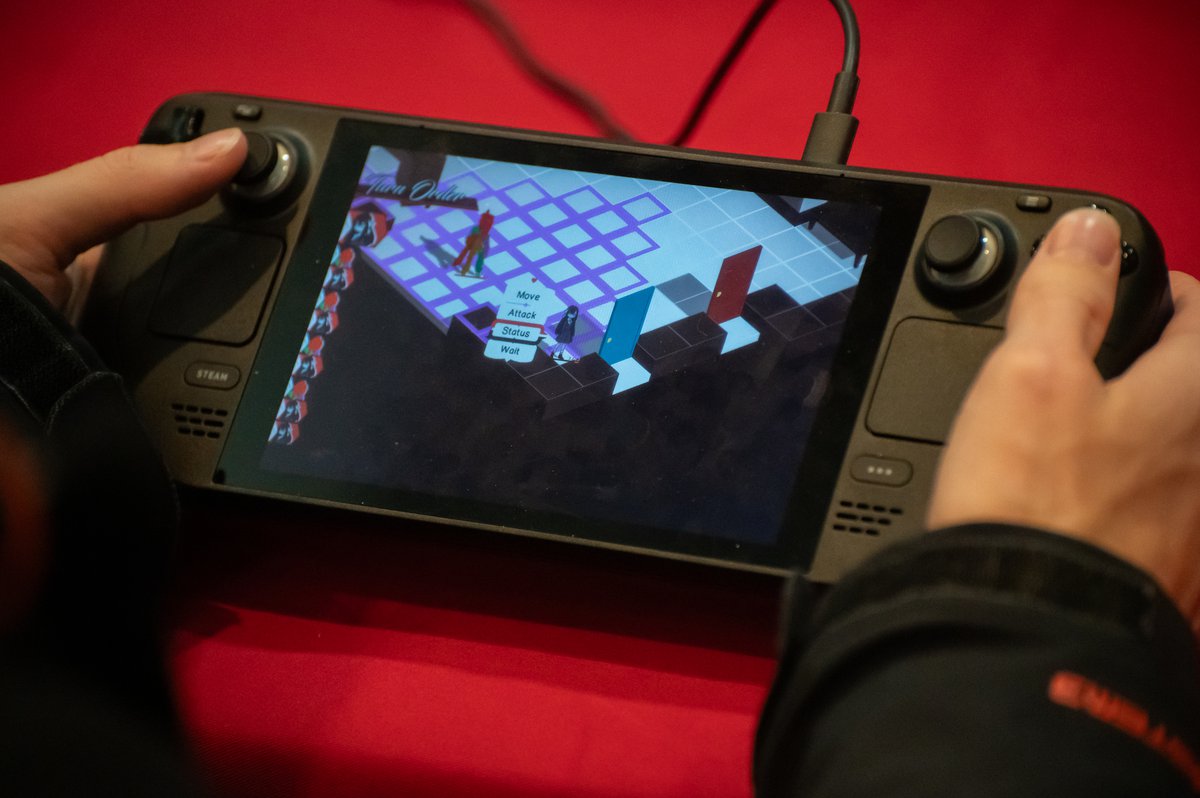
Rensselaer’s Game Development Club hosted their 2023 Game Development Showcase, featuring creative projects from many RPI students.
 On-Campus Event
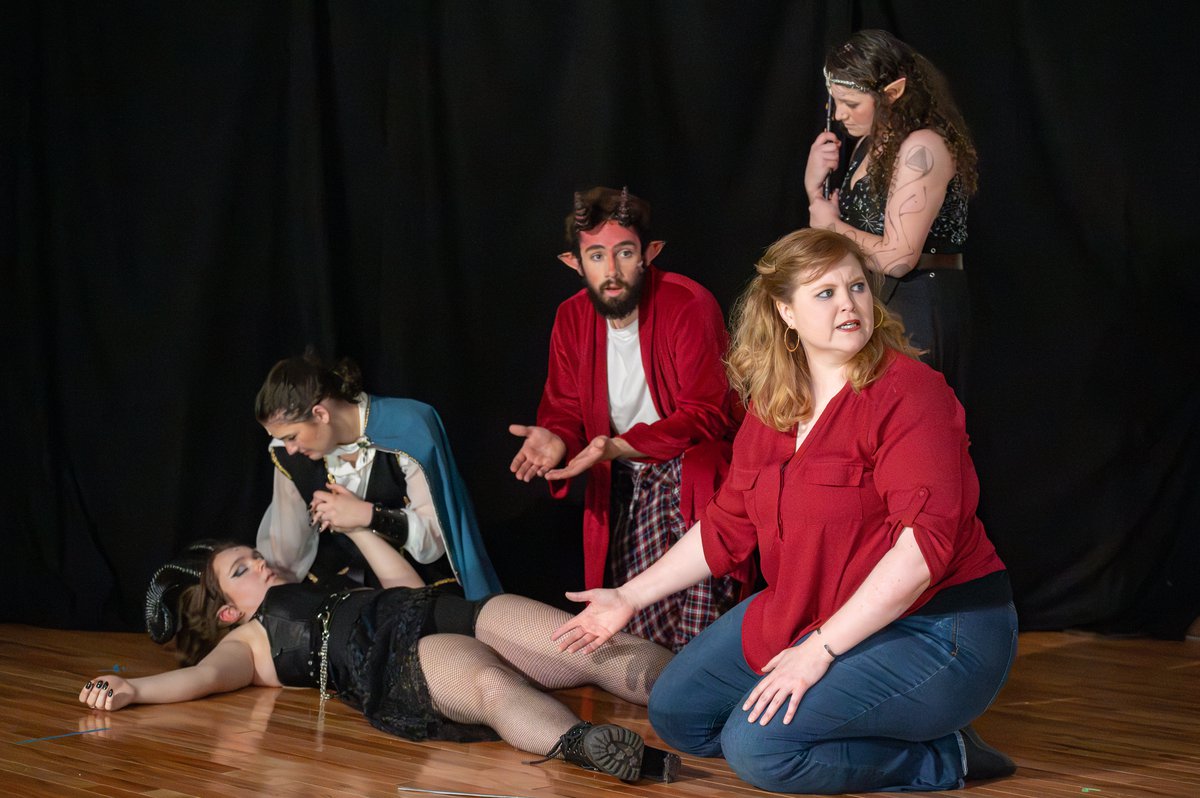
Exploring Dungeons & Dragons with the RPI Players’ performance of She Kills Monsters
Editor-In-Chief Soma Patra ’26 recounts the RPI Players’ colorful performance of She Kills Monsters this past weekend.
 Student Senate
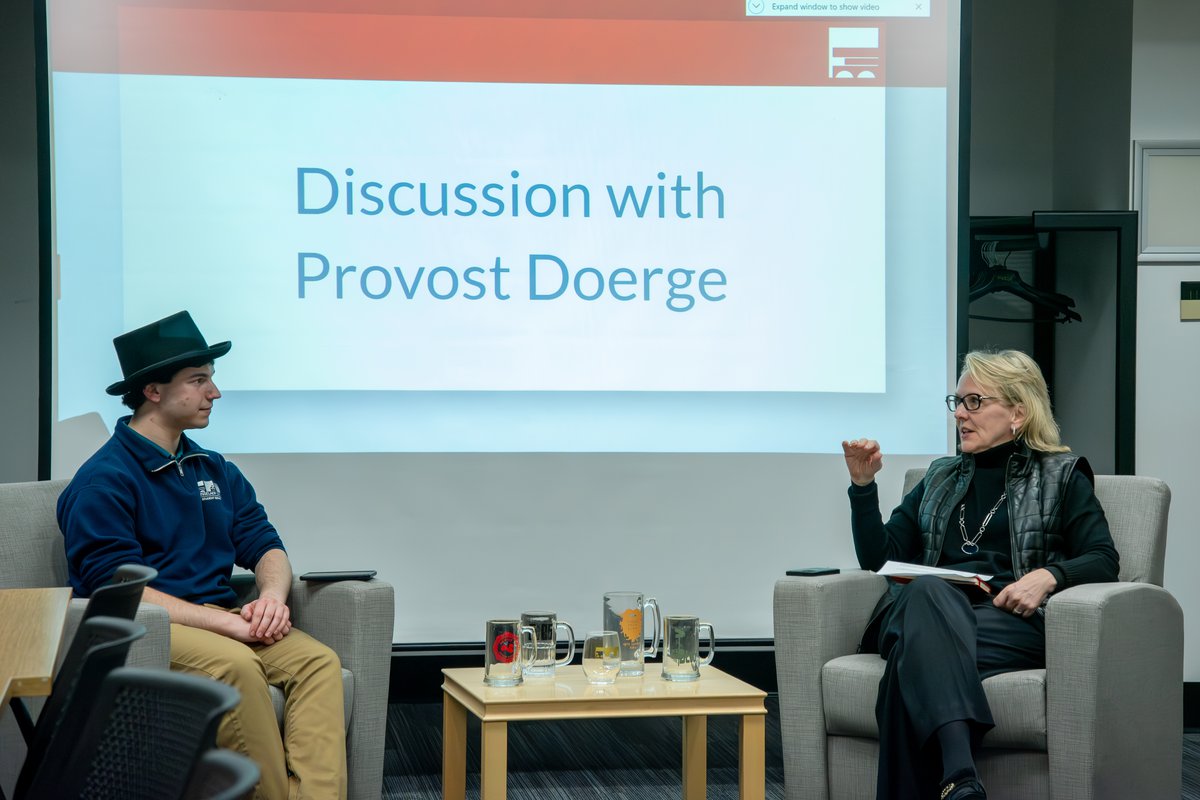
Grand Marshal, Provost hold discussion
The Student Senate hosted Provost Dr. Rebecca Doerge for a discussion on the future of Rensselaer on Monday, November 6.
Engineering Ambassadors go abroad
Biomedical Engineering student Layan Kazem '24 took the Engineering Ambassadors mission to an international level by presenting and leading activities about engineering in her home country, Saudi Arabia. This interview goes over the Kazem’s background and her efforts to expand the mission of Engineering Ambassadors to an global scale.
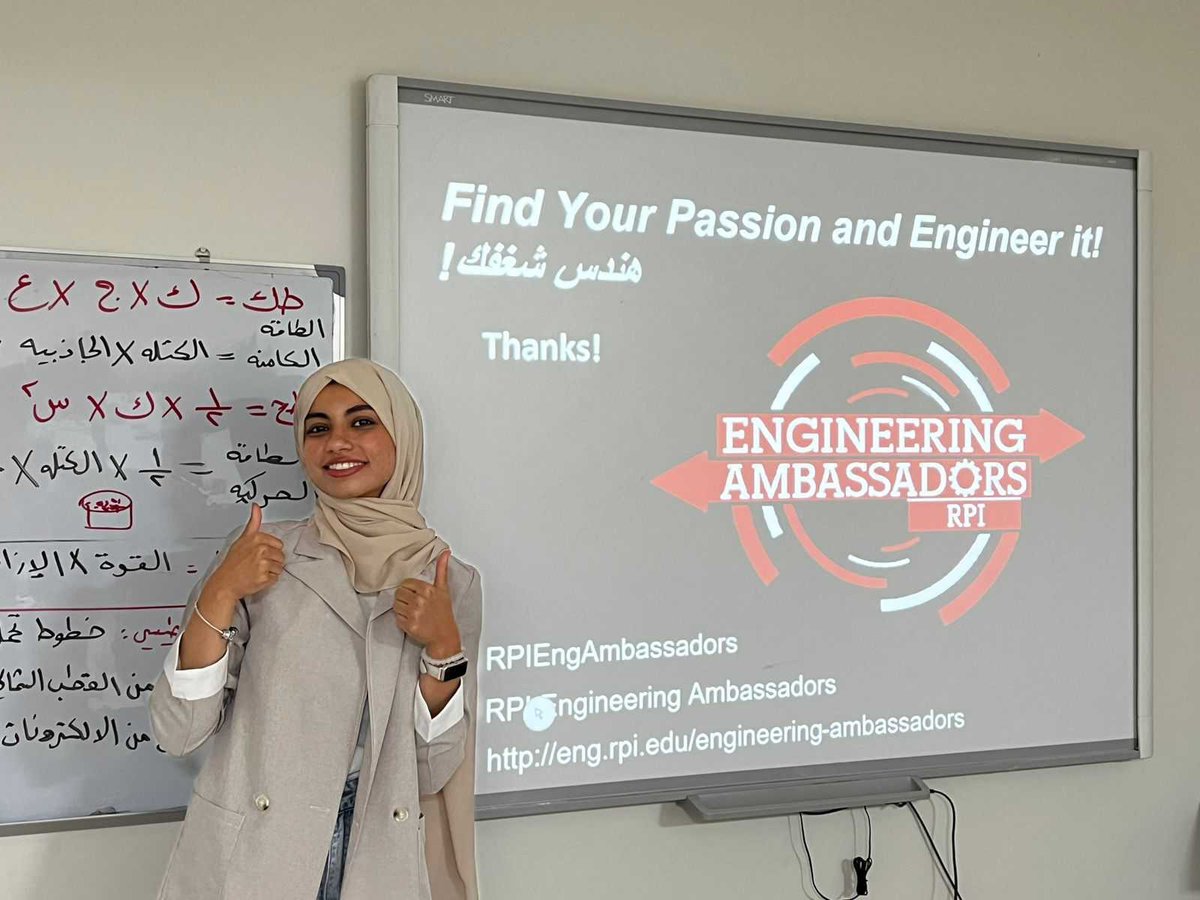
Biomedical Engineering student Layan Kazem '24 took the Engineering Ambassadors mission to an international level by presenting and leading activities about engineering in her home country, Saudi Arabia. This interview goes over the Kazem’s background and her efforts to expand the mission of Engineering Ambassadors to an global scale.
Schmidt announces IBM Quantum System One’s virtual groundbreaking, provides updates on research goals
During the Fall Town Meeting, Dr. Martin A. Schmidt '81 highlighted the unveiling of Rensselaer’s Quantum Computational Center, his plan to transform RPI into one of the nation’s leaders in semiconductor-related research, and gave his update on the planning process for RPI’s bicentennial.
Bring the convenience back to convenience stores
Composing Editor Marissa Ho ’26 suggests that convenience stores in the U.S. should borrow ideas from Asia.
Smiles that stick
Lecturer in the Chemistry Department Dr. Steven Tysoe shares his story on distributing thousands of stickers to Rensselaer students.

Lecturer in the Chemistry Department Dr. Steven Tysoe shares his story on distributing thousands of stickers to Rensselaer students.
E-Board honors Union donor, Young Democratic Socialists of America gets affiliated
In a jam-packed meeting, the Executive Board honored Union donor Jon Kessler ’79, ’82G, who pledged to donate $1 million to the Union over the next five years. Additionally, The E-Board granted a subsidy request to ACHA Hockey, approved fundraising and tabling motions for RPI Dance Team, and approved the affiliations for Young Democratic Socialists of America and the Rensselaer Philosophy Society. Four clubs were sunset, Conversation Corner and Mandarin Club, Isshinryu Karate, Juggling Club, and Kung Fu Club.
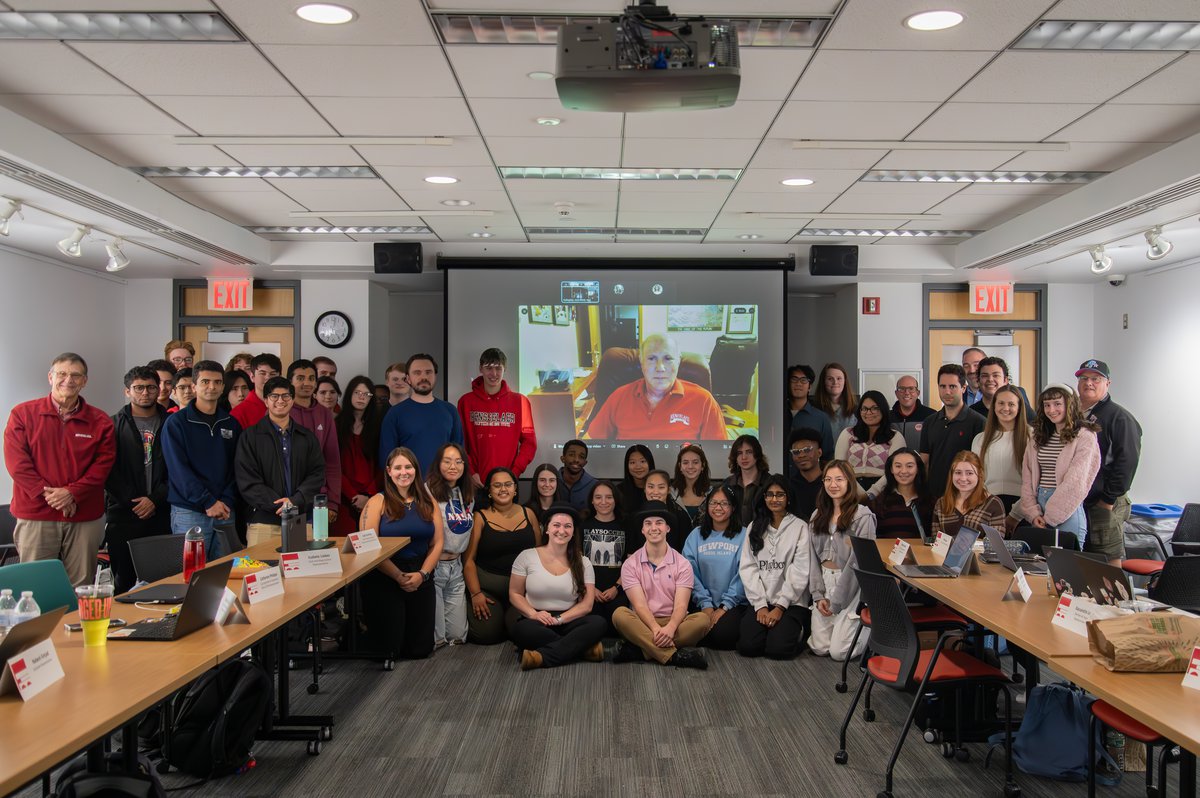
In a jam-packed meeting, the Executive Board honored Union donor Jon Kessler ’79, ’82G, who pledged to donate $1 million to the Union over the next five years. Additionally, The E-Board granted a subsidy request to ACHA Hockey, approved fundraising and tabling motions for RPI Dance Team, and approved the affiliations for Young Democratic Socialists of America and the Rensselaer Philosophy Society. Four clubs were sunset, Conversation Corner and Mandarin Club, Isshinryu Karate, Juggling Club, and Kung Fu Club.
Freshman Elections Handbook approved, Mercer XLab completes renovations
A new Freshman Elections Handbook was approved. The Mercer XLab finished renovations and is now open to the public upon request. Also, Timothy Miles ’24 and Adrian Alicea-Roman ’23G were appointed as Inter-Fraternity Council Senator and Community Relations Committee Chairperson, respectively.
Exploring RPI’s past with Jon Kessler ’79, ’82G
Editor-in-chief Soma Patra ’26 interviewed previous Polytechnic editor Jon Kessler ’79, ’82G, discussing his recent donation to the Rensselaer Union and shedding light on his overall experience at RPI.
Bulldogs all bark, no bite
The Engineers walloped the Dean College Bulldogs 63‒0, increasing their season record to 4‒0. Running backs Christian Buckley and Kayden White each scored two out of the Engineers’ eight total rushing touchdowns.

The Engineers walloped the Dean College Bulldogs 63‒0, increasing their season record to 4‒0. Running backs Christian Buckley and Kayden White each scored two out of the Engineers’ eight total rushing touchdowns.
Shuttle tracker tracks shuttles better than ever
Gabriel Jacoby-Cooper ’24 announced that the new Shuttle Tracker update is out. The new Shuttle Tracker makes locating the shuttles more accurate and more convenient. Adrian Alicea-Roman ’23G revived the Community Relations Committee by becoming its chairperson and Timothy Miles ’24 suggested some changes to the upcoming elections.
Caribbean Students Association gets stopgap budget
The Executive Board has approved a stopgap budget request for the Caribbean Students Association for $1,070.
Third-straight Transit Trophy triumph
A scoop-and-score and two rushing touchdowns secured Rensselaer’s 25‒0 victory over Worcester Polytechnic Institute in the annual Transit Trophy game for the third consecutive year. Jake Kazanowsky threw for 209 yards and the RPI defense held WPI to -12 rushing yards.

A scoop-and-score and two rushing touchdowns secured Rensselaer’s 25‒0 victory over Worcester Polytechnic Institute in the annual Transit Trophy game for the third consecutive year. Jake Kazanowsky threw for 209 yards and the RPI defense held WPI to -12 rushing yards.
RPI Ambulance flashes lights towards new ambulance
RPI ambulance was approved to obtain quotes for a new ambulance, and RPI Club Softball was granted a stopgap request.
Shuttle Tracker 2.0 to begin rollout
Web Technologies Group chairperson Gabriel Jacoby-Cooper ’24 has announced that Shuttle Tracker 2.0, a complete revamp of the service, will begin to hand out tracking devices to shuttles.
Engineers conquer Colonels in battle
Quarterback Jake Kazanowsky threw for three touchdowns and 236 yards in Rensselaer’s 38‒14 win over the Wilkes University Colonels in the first home game of the season, improving their record to 2‒0.

Quarterback Jake Kazanowsky threw for three touchdowns and 236 yards in Rensselaer’s 38‒14 win over the Wilkes University Colonels in the first home game of the season, improving their record to 2‒0.
RPI TV gets funding for hockey broadcasting
RPI TV got $12,827.05 for a graphics and replay server, as well as general infrastructure to perform to ESPN+ standards for hockey broadcasting. RPI Brazilian Jiu Jitsu became Union affiliated.
Viner holds first meeting of the semester
Grand Marshal Ben Viner ’24 proposed future Senate changes. Isabele Lieber ’25 and Michelle Li ’26 were appointed to Club and Organization Representative and Class of 2026 Representative, respectively, both of which are voting positions for the Executive Board.
What the class of 2027 wants to know
The Polytechnic Editorial Staff shares a list of advice compiled during our Navigating Rensselaer and Beyond event to help incoming freshmen adjust to life at Rensselaer.
The Polytechnic Editorial Staff shares a list of advice compiled during our Navigating Rensselaer and Beyond event to help incoming freshmen adjust to life at Rensselaer.
 Student Life
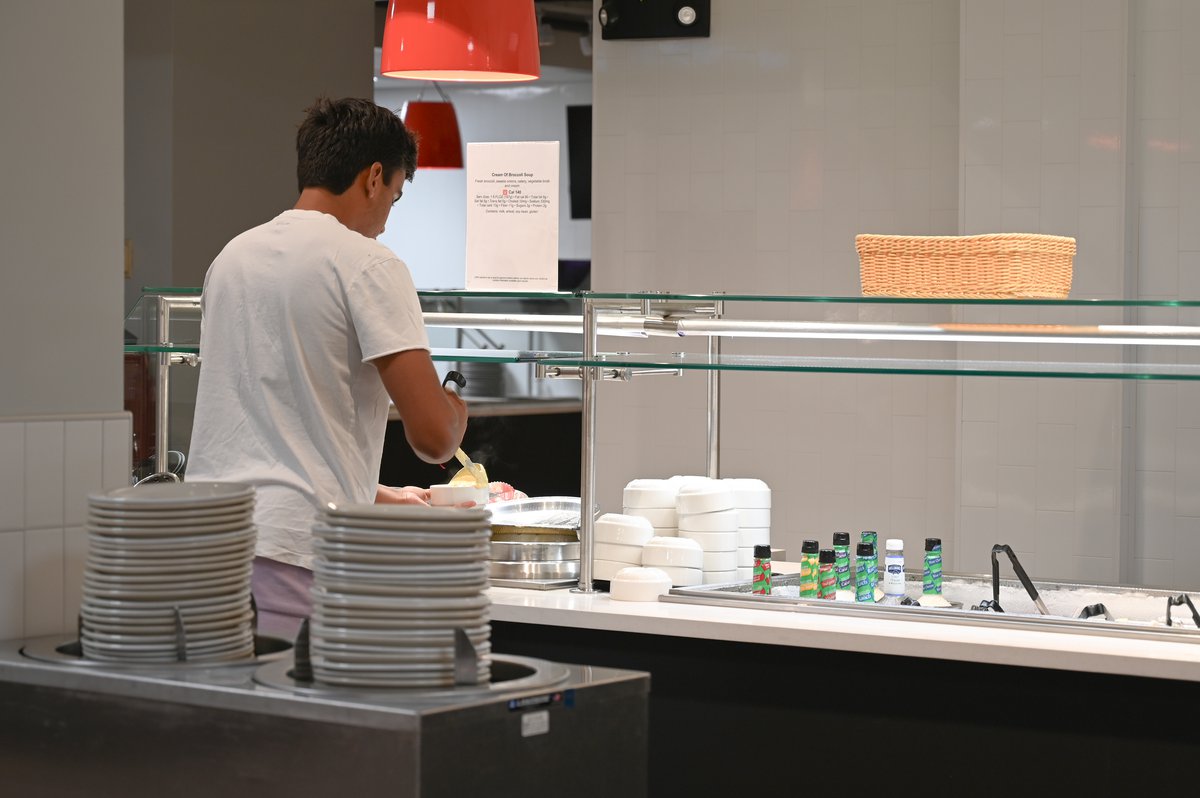
Renovations of Russell Sage Dining Hall completed
Summer break renovations of Russell Sage Dining Hall were completed. Changes include a new entrance and updated Simple Zone.
 Women's Soccer
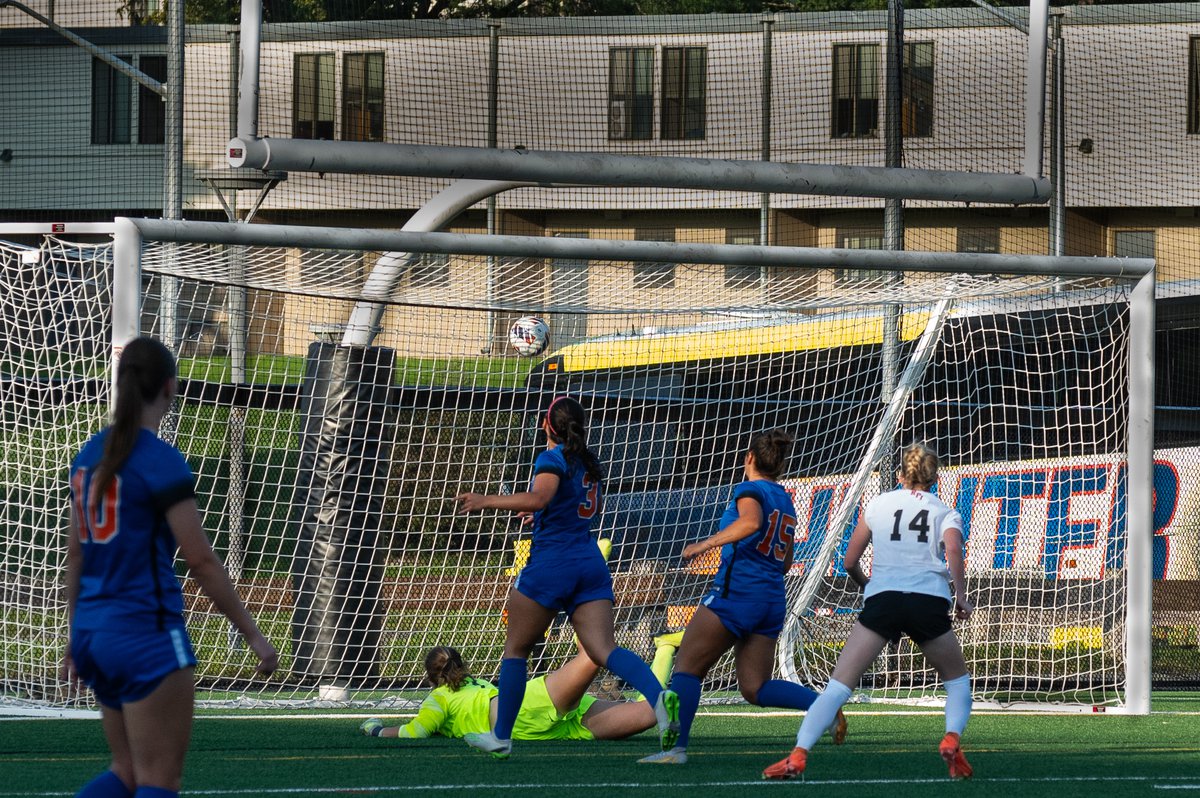
Final-minute frenzy: Barnes buries winner
Gwen Barnes scored with 28 seconds remaining to defeat SUNY New Paltz 2‒1 for Rensselaer’s first win of the season. Veronica Martinez de Pinillos scored the Engineers’ opener off a cross from Mikayla Walsh and Rachel Borra set up Barnes’ winner.
Union to spend $27k to furnish Student Government Suite
The Executive Board approved the allocation of $27,268 to purchase new furniture for the Student Government Suite, two-thirds of which came from a donation by Jon Kessler ’79. The Board also approved a motion to fund four parking passes for members of RPI Ambulance.
The Executive Board approved the allocation of $27,268 to purchase new furniture for the Student Government Suite, two-thirds of which came from a donation by Jon Kessler ’79. The Board also approved a motion to fund four parking passes for members of RPI Ambulance.
E-Board confirms the closure of Ben and Jerry’s on campus
The Executive Board proposed a flurry of changes in the upcoming Fall semester including Ben and Jerry’s closure on September 1, 2023, Student Government Suite renovations, and Union Hair Salon plans.
E-Board approves installation of new security cameras in the Union
The first Executive Board meeting of the Fiscal Year 2024 started with an additional subsidy approval for RPI Rugby. The Board also approved the installation of new security cameras in the Union which will be funded by the Institute.
Wrapping up the year with “The Last of The Pipes”
Editor-in-Chief Soma Patra ’26 and Contributing Editor Anna Zuniga ’26 watched the Rusty Pipes’ Spring Show this past Friday in EMPAC.

Editor-in-Chief Soma Patra ’26 and Contributing Editor Anna Zuniga ’26 watched the Rusty Pipes’ Spring Show this past Friday in EMPAC.
Senate approves Executive Board, Judicial Board appointments
Talulah Patch ’24 won the run-off for Class of 2024 President. Moreover, the Student Senate approved six Judicial Board appointments and 17 Executive Board appointments.
Let’s watch sports
What sport is right for you? Associate Sports Editor Dylan Ohno '26 goes through various sports and the appeals of watching each one.
 Letter To The Editor
Hugs from Troy: building bikes and community with Daniel Lander
Previous staff member Laura Zwirn '23 writes about Daniel Lander, Lecturer in the Department of Civil and Environmental Engineering.
 Executive Board
E-Board caps off semester granting starter budget to Club Softball
The Executive Board held its final business meeting of the year last Thursday. In contrast to the prior two meetings, the E-Board did not have issues reaching quorum as the Senate appointed 17 new voting members to the E-Board the night before.
RPI's failure to feed
Features Editor Anna Zuniga ’26 reveals students’ troubles with dining on campus for those with dietary restrictions.

Features Editor Anna Zuniga ’26 reveals students’ troubles with dining on campus for those with dietary restrictions.